
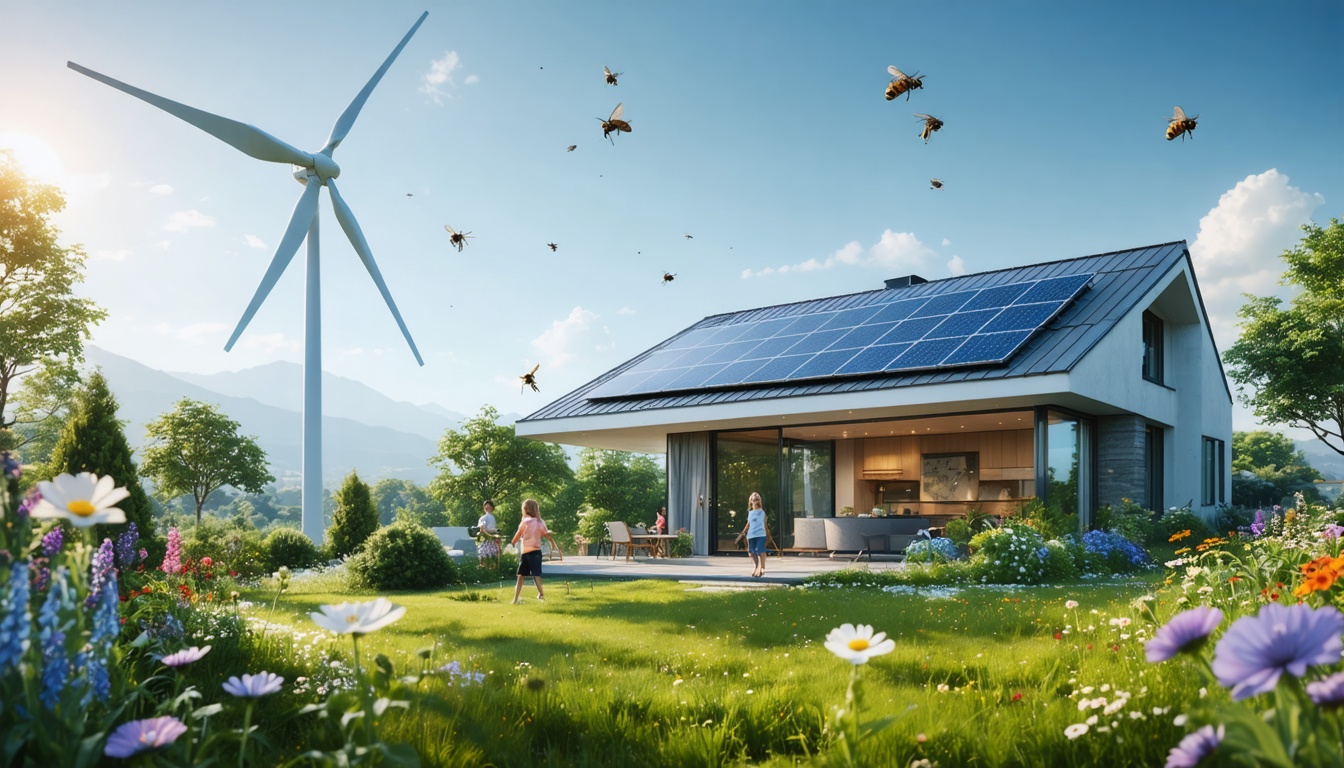
The Environmental Benefits of Choosing Renewable Energy at Home
Choosing renewable energy for home use has a significant impact on the environment and the surrounding community. By shifting away from fossil fuels, individuals can reduce their carbon footprint, which contributes to climate change mitigation. This transition also helps preserve natural resources, as renewable energy sources, such as solar and wind, are abundant and less depleting than fossil fuels. The adoption of clean energy can lead to improved air quality, as burning fossil fuels is a major source of air pollution, which is linked to various health issues. Furthermore, relying on renewable energy can foster local economies by creating jobs in the installation and maintenance of renewable energy systems. Additionally, distributed energy generation from renewables can enhance energy stability in neighborhoods, reducing the likelihood of power outages and resource shortages. Therefore, the decision to utilize renewable energy at home not only benefits the individual but also contributes to broader environmental and economic improvements within the community.
Understanding Renewable Energy and Its Sources
A foundational understanding of renewable energy involves recognizing that sources such as solar, wind, hydropower, biomass, and geothermal energy are derived from natural processes that are replenished at a relatively rapid rate.
The implementation of wind turbines and solar panels allows for the conversion of these resources into electricity and heat, which is observable in various contexts across the United States, including residential and urban settings such as Boston, where Solar Solutions for Boston Homes offers customized solar solutions tailored for local homes.
The transition towards these renewable energy sources is associated with job creation and economic growth. Specifically, the integration of wind power and heat pumps, supported by tax incentives, correlates with reductions in air pollution and carbon dioxide emissions.
This shift is an important element in efforts to address climate change, with estimates suggesting benefits for millions of people.
Overall, the integration of renewable energy sources is a strategic approach to achieve Net Zero targets while providing both environmental and socioeconomic advantages.
Reducing Greenhouse Gas Emissions Through Home Energy Choices
Transitioning home energy supply from conventional fossil fuels to renewable sources can contribute to the reduction of greenhouse gas emissions. The implementation of solar panels, wind turbines, or heat pumps for electricity and heating can lead to lowered carbon dioxide emissions, potentially achieving Net Zero on an annual basis.
This transition not only helps reduce local carbon emissions but also supports national climate objectives established in the United States.
Utilizing renewable energy sources can yield several economic benefits, including job creation in the renewable energy sector and the stimulation of local economies. By decreasing reliance on fossil fuels, households can reduce their overall environmental impacts.
Research indicates that reducing fossil fuel consumption is associated with a significant decrease in greenhouse gas emissions over time, as data suggest that each transition contributes to a notable reduction in carbon output.
In conclusion, adopting renewable energy solutions in residential settings represents a pragmatic approach to addressing climate change and fostering sustainable energy practices.
Improving Air and Water Quality with Renewables
The transition to renewable energy sources, including wind turbines, solar panels, and heat pumps, presents notable advantages for air and water quality. Unlike traditional fossil fuel-based power generation, which is associated with significant emissions of carbon dioxide and other pollutants, renewable energy systems generally produce minimal greenhouse gas emissions. Consequently, this shift can contribute to reductions in air pollution, with corresponding benefits for public health.
Studies suggest that the widespread adoption of renewable energy has the potential to prevent millions of premature deaths worldwide annually due to enhanced air quality.
Moreover, renewable technologies often demonstrate a lower water usage compared to conventional power plants, which typically require substantial amounts of water for cooling and other processes.
Fossil fuel and nuclear power generation often lead to water scarcity and have detrimental environmental effects. In contrast, utilizing renewable sources can reduce water consumption in electricity generation, aligning with objectives for sustainable development and reinforcing a more sustainable economic framework.
In summary, the transition to renewable energy sources offers measurable environmental improvements, supports public health initiatives, and encourages sustainable economic practices.
Supporting Biodiversity and Ecosystem Health
The environmental discourse often prioritizes air and water quality; however, incorporating renewable energy in residential settings is also significant for enhancing biodiversity and ecosystem health. Transitioning from fossil fuel sources to renewable energy options—such as wind turbines, solar panels, and heat pumps—enables households to reduce greenhouse gas emissions related to electricity use and heating.
This shift can lead to lower carbon dioxide emissions and decreased air pollution, aligning with municipal and national targets for achieving Net Zero emissions.
Adopting sustainable energy practices in homes plays an important role in conserving natural resources and mitigating the impacts of climate change, which can affect various ecosystems.
As countries prioritize cleaner fuel alternatives, the benefits of such a transition can also positively impact numerous species, ultimately contributing to overall ecosystem resilience.
In conclusion, integrating renewable energy at the household level is an important measure for promoting environmental health and supporting biodiversity.
Enhancing Energy Security and Community Resilience
Investing in renewable energy sources plays a crucial role in enhancing energy security and community resilience. The adoption of technologies such as solar panels, heat pumps, and wind turbines helps to decrease reliance on fossil fuels and centralized power generation. This transition is not only pivotal for generating cleaner electricity and heating solutions but also contributes to lowering carbon dioxide emissions and air pollutants.
As urban areas and economies aim for Net Zero emissions, decentralized electricity generation becomes an essential aspect of this shift. This model can facilitate a more diverse electricity supply and may also foster job creation within the renewable energy sector.
Renewable energy sources, which are derived from natural resources, often produce minimal to no greenhouse gases, thus supporting better air quality and public health outcomes.
In conclusion, the advancement of renewable energy addresses both immediate energy requirements and aligns with overarching environmental objectives, highlighting the significance of sustainable energy practices within modern society.
Promoting Long-Term Cost Savings and Economic Value
Transitioning to renewable energy solutions for residential use has significant environmental benefits and presents potential long-term economic advantages. Homeowners who invest in technologies such as solar panels, heat pumps, or wind turbines can lower their electricity and heating costs, which may help reduce dependency on volatile fossil fuel markets. In many regions, there are also tax incentives available for these renewable energy installations, which can further improve the financial outlook.
The shift towards renewable energy sources can stimulate local economies by creating jobs in installation, maintenance, and other related sectors, as the market for clean energy technologies continues to expand. This transition supports broader initiatives to attain Net Zero emissions and underscores the economic benefits of incorporating sustainable practices within communities.
Additionally, renewable energy generation generally leads to minimal or zero greenhouse gas emissions, contributing to enhanced air quality. Improved air quality may correlate with reduced healthcare expenses tied to pollution-related health issues, benefiting both individual households and public health systems over the long term.
In conclusion, adopting renewable energy sources at home can align with economic interests while supporting national objectives for Sustainable Climate Action. This provides a practical option for homeowners who weigh both financial and environmental considerations.
Conclusion
Choosing renewable energy sources for home use can lead to a variety of environmental benefits. Notably, utilizing renewable energy reduces greenhouse gas emissions, which contributes to mitigating climate change. Furthermore, the adoption of these energy sources helps to conserve natural resources, such as fossil fuels, which are finite and contribute to environmental degradation when extracted and burned. Additionally, renewable energy contributes to improved air quality by decreasing reliance on fossil fuels, which are significant contributors to air pollution. This, in turn, can lead to better public health outcomes, as cleaner air reduces respiratory and cardiovascular diseases linked to air quality issues. The transition to renewable energy can also support local economies. Many renewable energy projects create jobs in installation, maintenance, and related sectors, fostering economic growth within communities. Investing in renewable energy technologies can enhance energy independence, making households more resilient to energy price fluctuations and supply disruptions. In summary, adopting renewable energy at home not only aids in lowering carbon emissions but also plays a role in conserving resources, improving environmental quality, supporting local economies, and increasing energy security. These benefits align with broader environmental objectives and highlight the importance of informed decision-making regarding energy consumption.